What is an RCD?
An RCD (Residual Current Device) is a safety device that is designed to quickly cut off the power supply in the event of a fault in an electrical circuit. They are an essential part of your electrical system, protecting you against electrical shock and fires in your home.
An RCD constantly monitors the electrical current flowing in a circuit. If there is a difference between the current flowing in the circuit and the current flowing out of the circuit, it indicates that there is a fault, such as a current leak. The RCD will then quickly cut off the power supply to prevent any further damage or harm.
What do they look like?
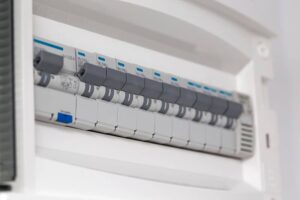
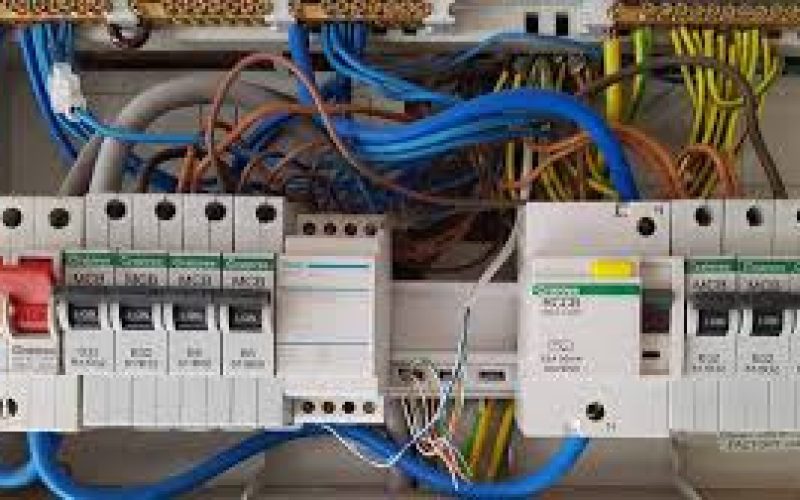
This first picture is the most common RCD found in houses. This will control either all or half the circuits in your property. You’ll likely have one or two of these within your consumer unit/fuseboard.
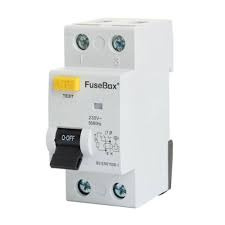
The second picture is an RCBO (Residual Current Circuit Breaker). These are more common in newer installations. This will control an individual circuit within your fuseboard, meaning under fault conditions only the circuit with the fault will be disconnected.
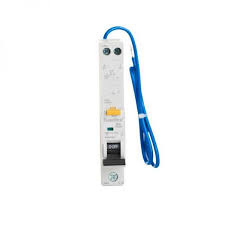
Types of RCDs
There are two types of RCDs commonly found in domestic properties.
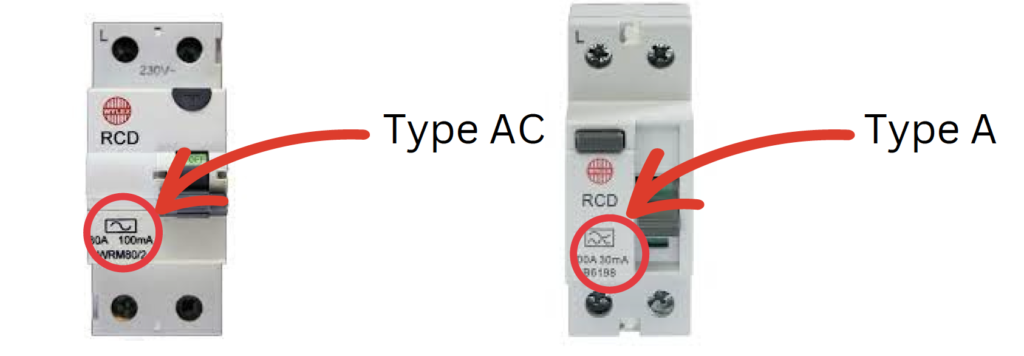
The main difference between Type A and Type AC RCDs is their ability to detect different types of electrical faults. Type A RCDs can detect and cut off the power supply in the event of a fault caused by a direct current or a pulsating direct current, while Type AC RCDs can only detect and cut off the power supply in the event of a fault caused by an alternating current.
Why does my RCD need upgrading?
BS7671 (The wiring regulations) are regularly updated to improve the safety of electrical installations. As of 28th September 2022, it has become standard to install type A RCDs when altering or installing an electrical circuit.
This means to comply with the latest regulations and issue you with an electrical certificate, an upgrade to your RCD will be required.